Menu

The Chronicles of Wasted Time

Niagra Falls Souvenir Token Heads Niagra Falls Souvenir Token Heads

Niagara Falls Souvenir Token

Niagara Falls Souvenir Token

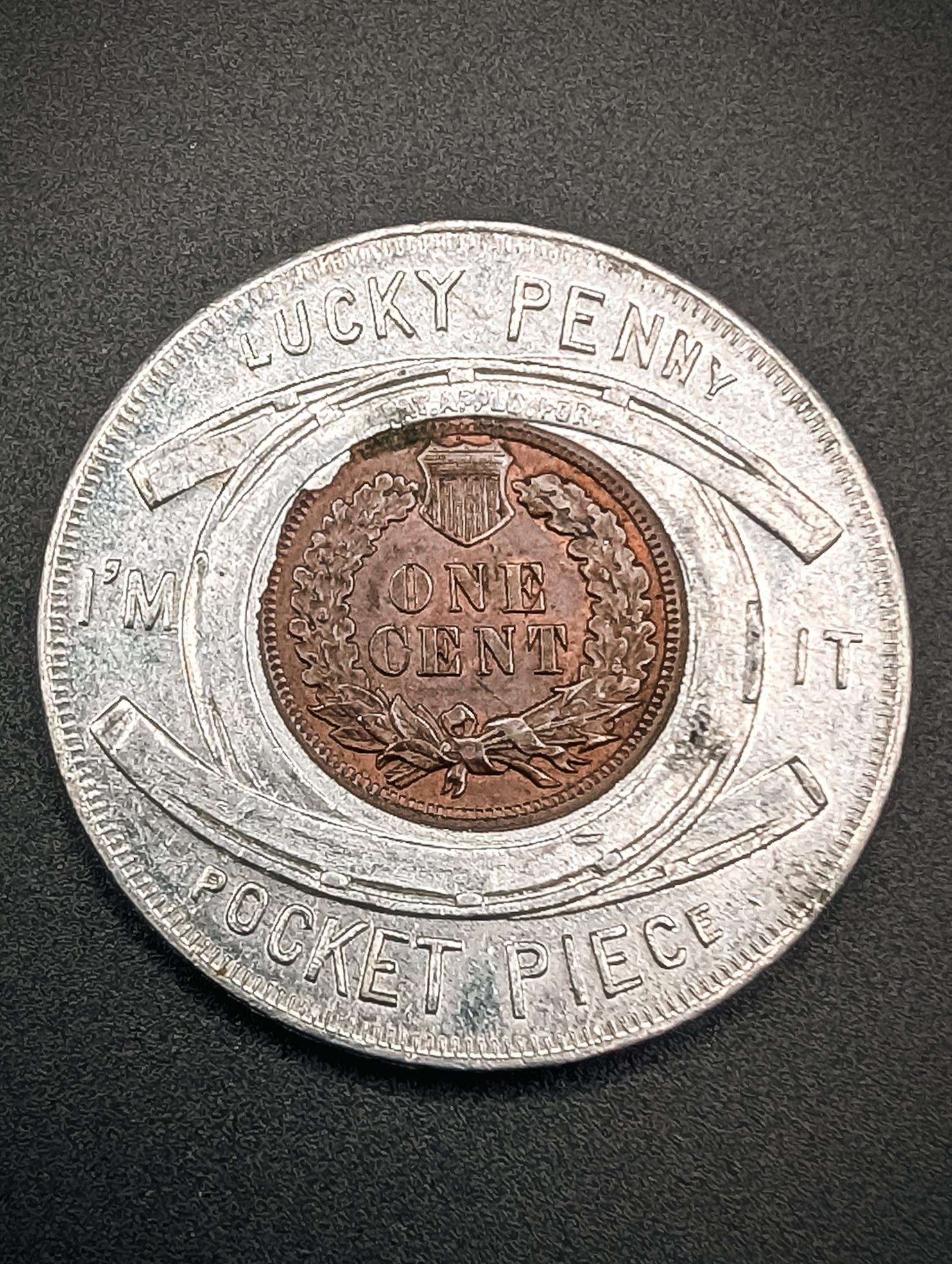
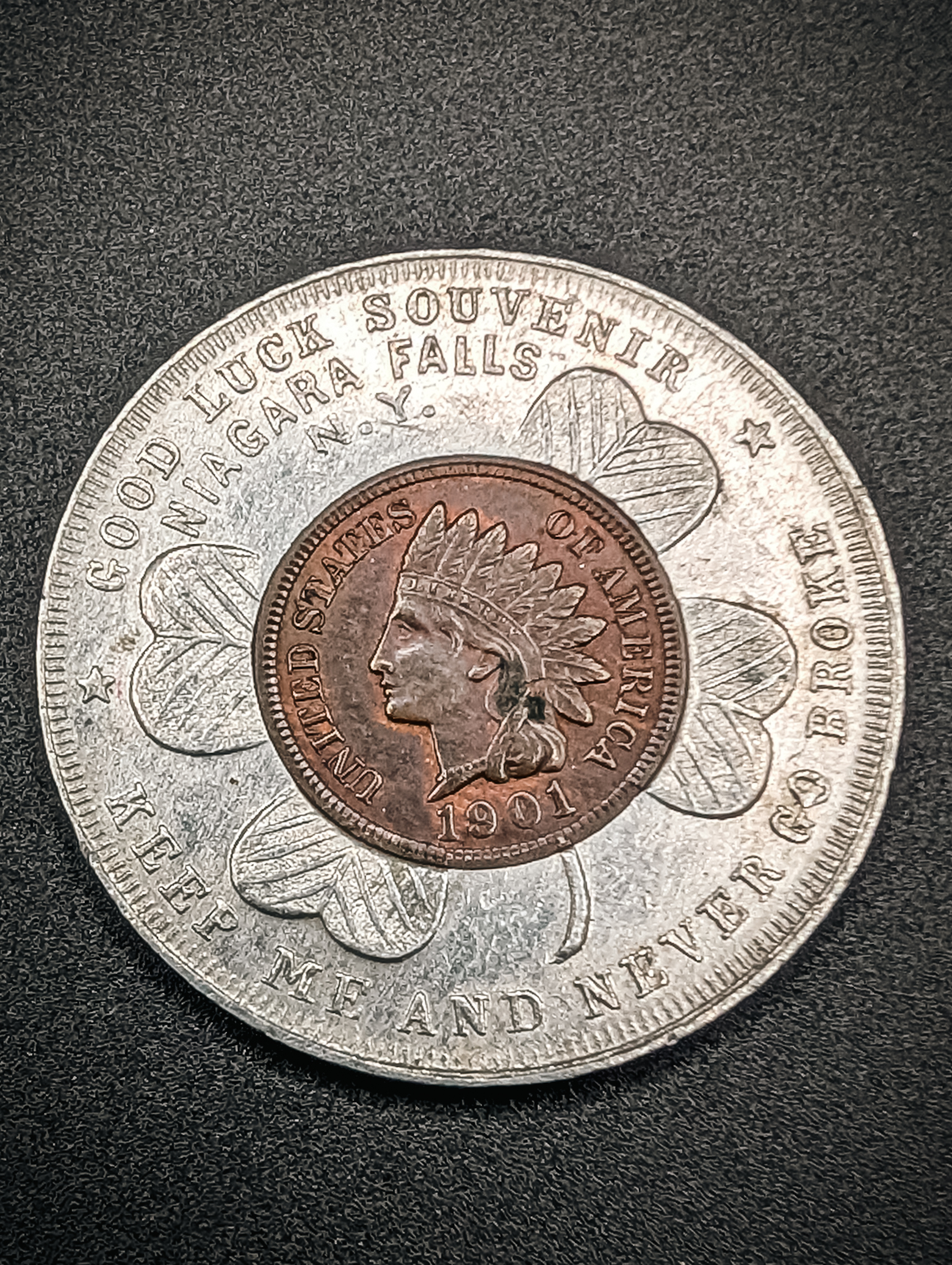
​For years, this piece sat tucked away in my grandfather’s desk: a 1901 Indian Head cent encased inside an aluminum “Good Luck” token from Niagara Falls.

​Known simply as an “encased cent,” it was part of a souvenir craze that swept the country in the early 1900s as aluminum suddenly became cheap to stamp. Vendors hawked them as talismans—flanked by horseshoes and four-leaf clovers—cashing in on turn-of-the-century tourist traffic with little thought beyond a quick sale.

​Yet the physical wear tells a quieter, longer story. The softened aluminum letters and smoothed rim show it spent years bumping against keys and loose change in someone’s pocket before it finally retired to my grandfather’s drawer.

​What started as disposable roadside ephemera ended up outlasting the pockets that carried it—a tiny, durable relic of American travel that found its way to me. 

It’s worth more to me as a historical relic than its value as a collector’s item. You can find various coins like this selling on auction sites for about $40. 

Dennis Haskins - Mr. Belding Dennis Haskins - Mr. Belding

Dennis Haskins (1950–2026)

Dennis Haskins (1950–2026)

Hearing about Dennis Haskins passing away hit me unexpectedly today.
 
 When I was a young teenager, I thoroughly enjoyed Saved by the Bell. Was it television kool-aid? Absolutely—pure, neon-colored comfort food that was sweet, easy to consume, offered little nutritional value, but was endlessly re-watchable.
 
As an adult, I now understand what made it work was Mr. Belding. Richard Belding was the pulse that kept Bayside High grounded. Dennis Haskins turned what could have been a cartoonish foil for Zack Morris into a warm, patient, and respected mentor who genuinely cared about his students. The show was light on heavy morality, but whenever it paused to deliver an actual lesson, Dennis was the one who gave it real heart.
 
There is a distinct grief in watching the fixtures of your youth grow old and pass on. What else is there to say but thank you? Thank you for the comedy, for the memories and an unforgettable era of Saturday mornings.
Saranac Lake Vintage Map Saranac Lake Vintage Map

A Vintage Map of Saranac Lake

A Vintage Map of Saranac Lake

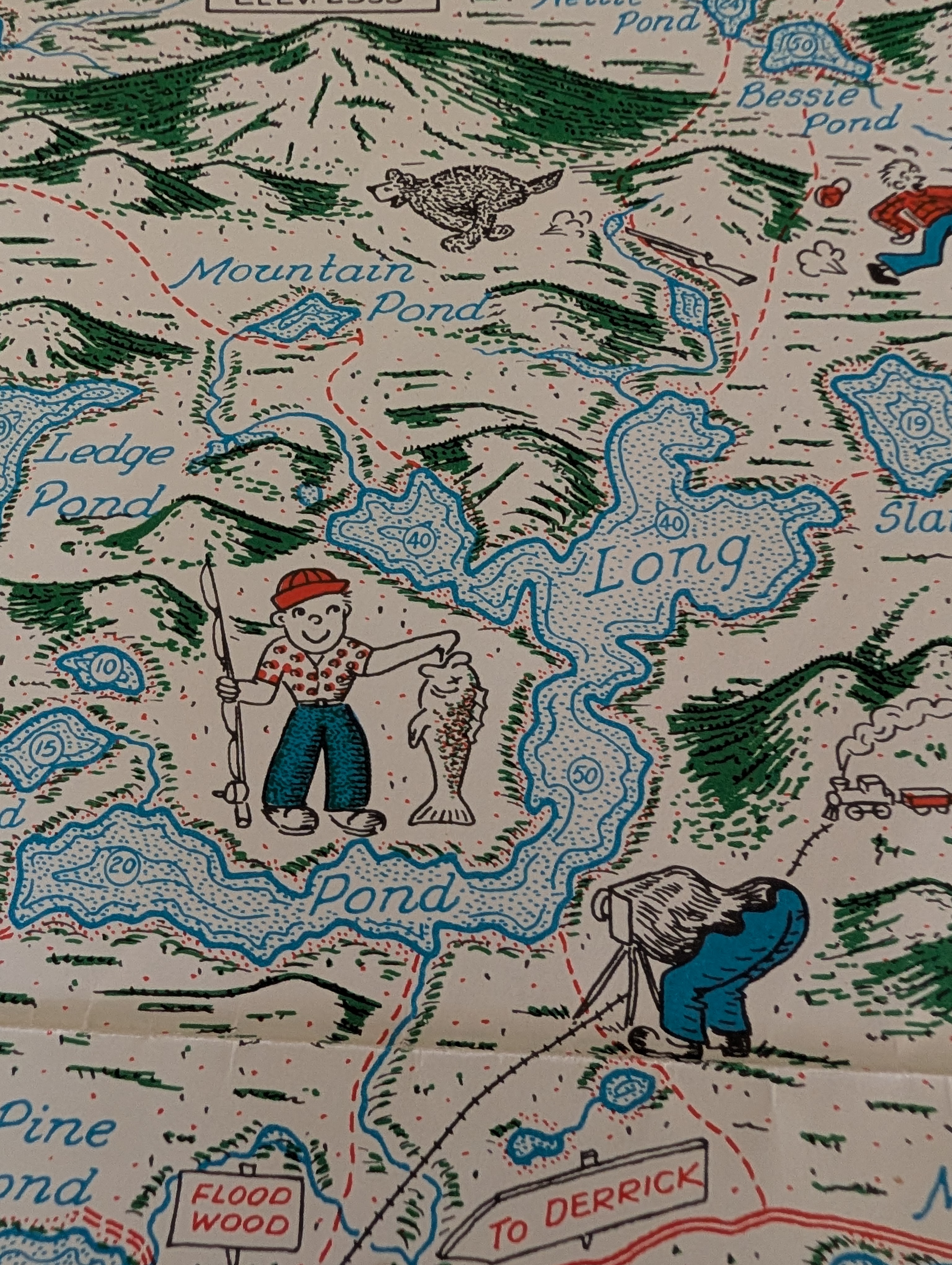
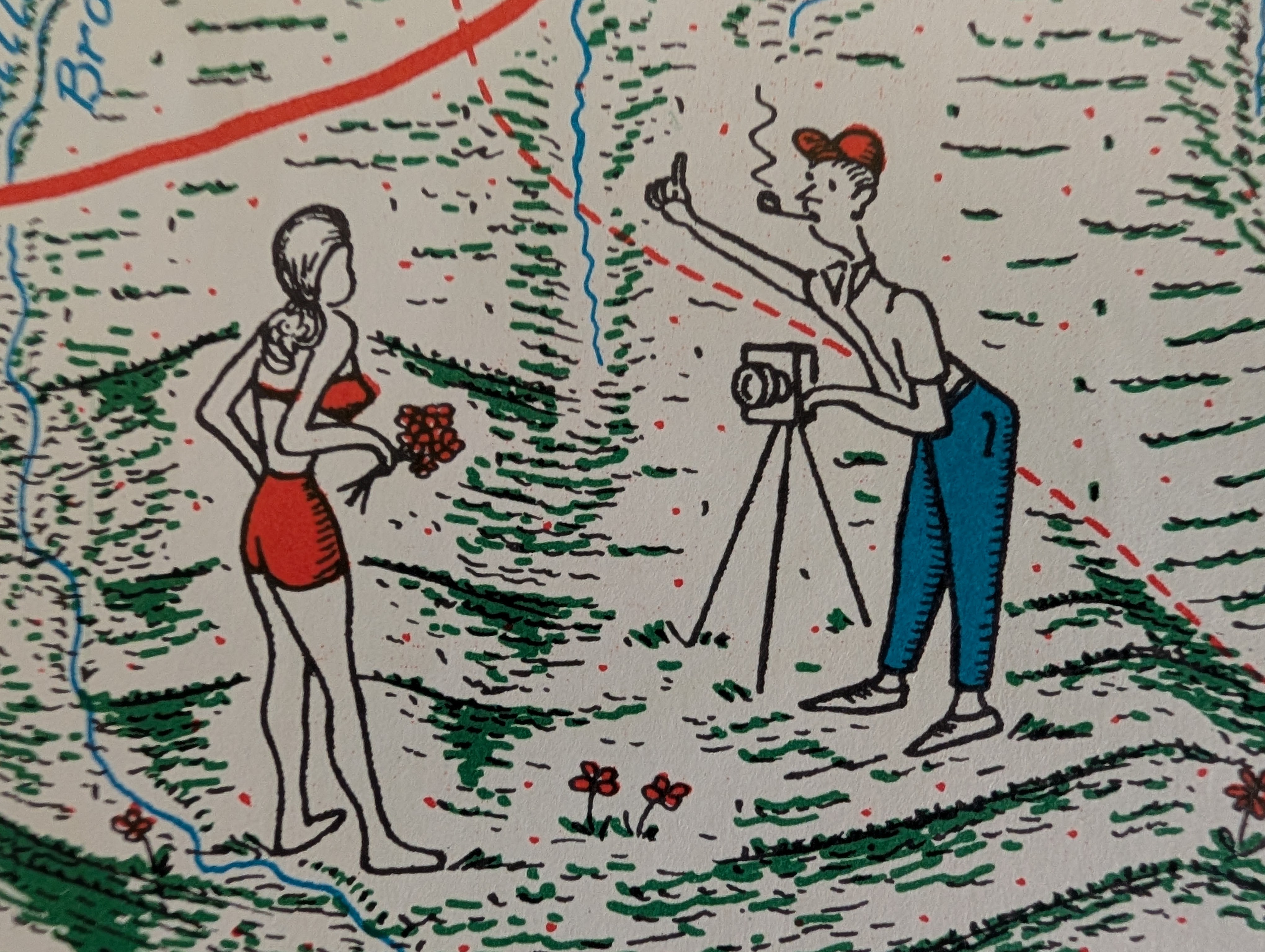
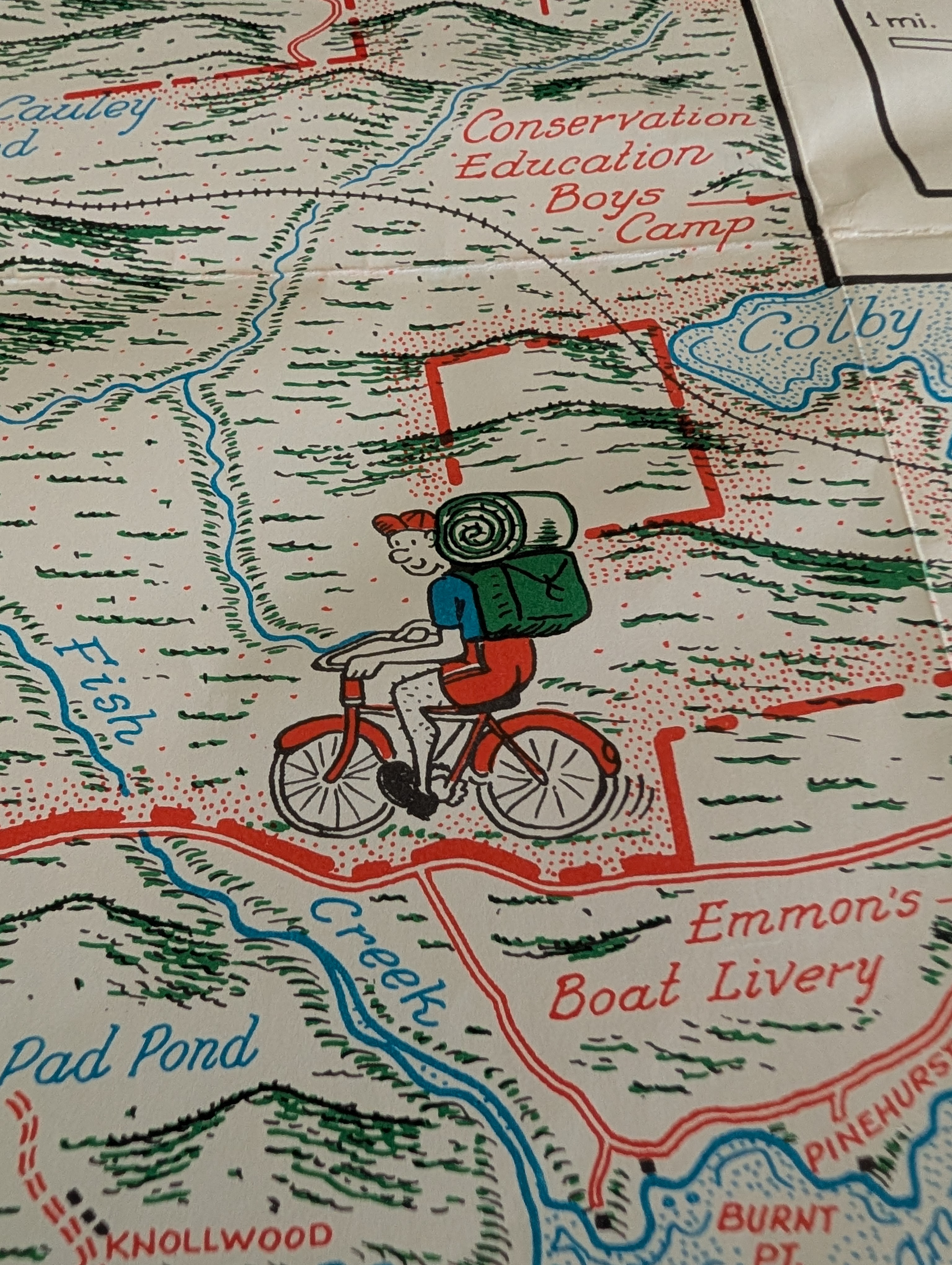
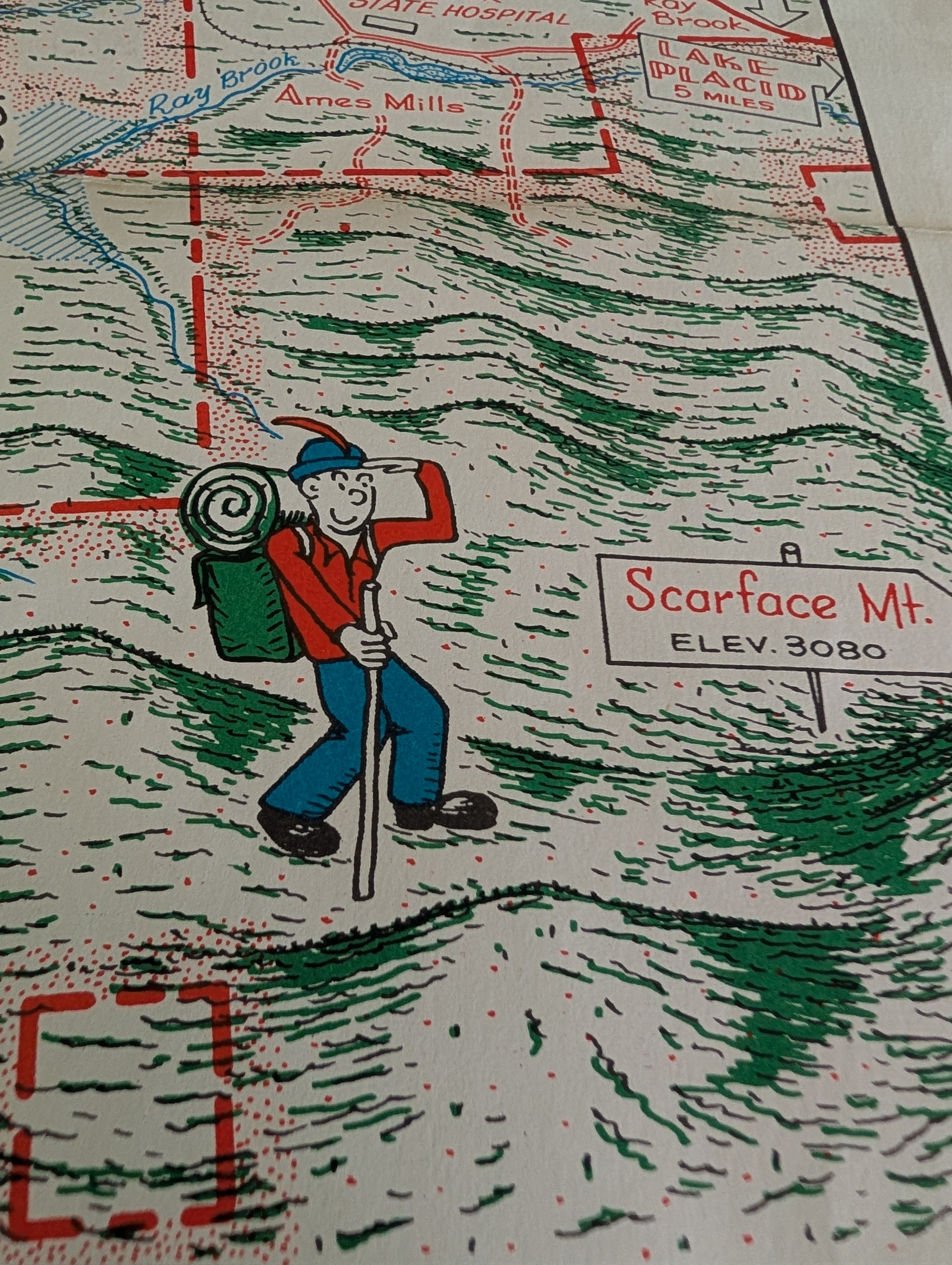
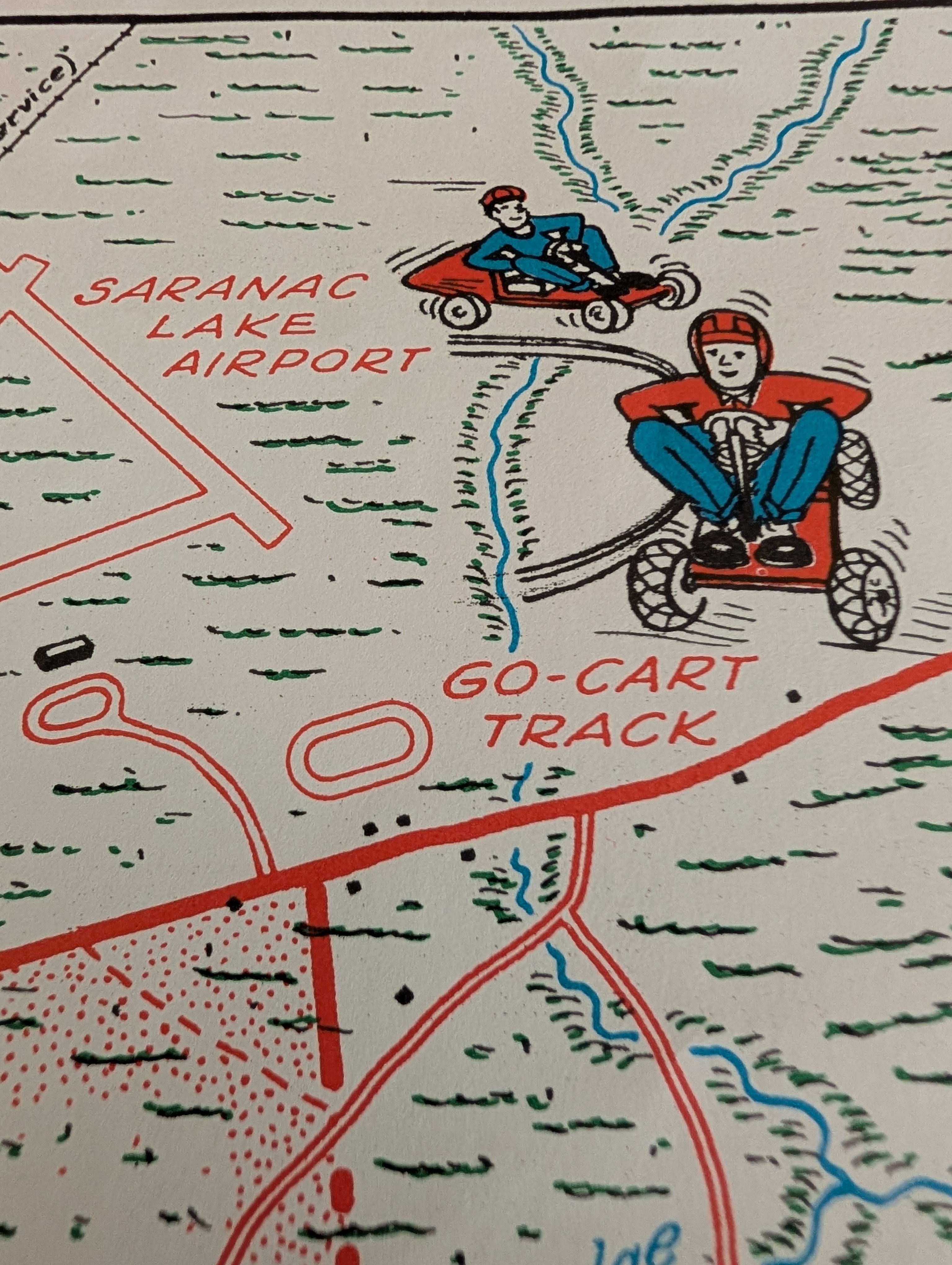
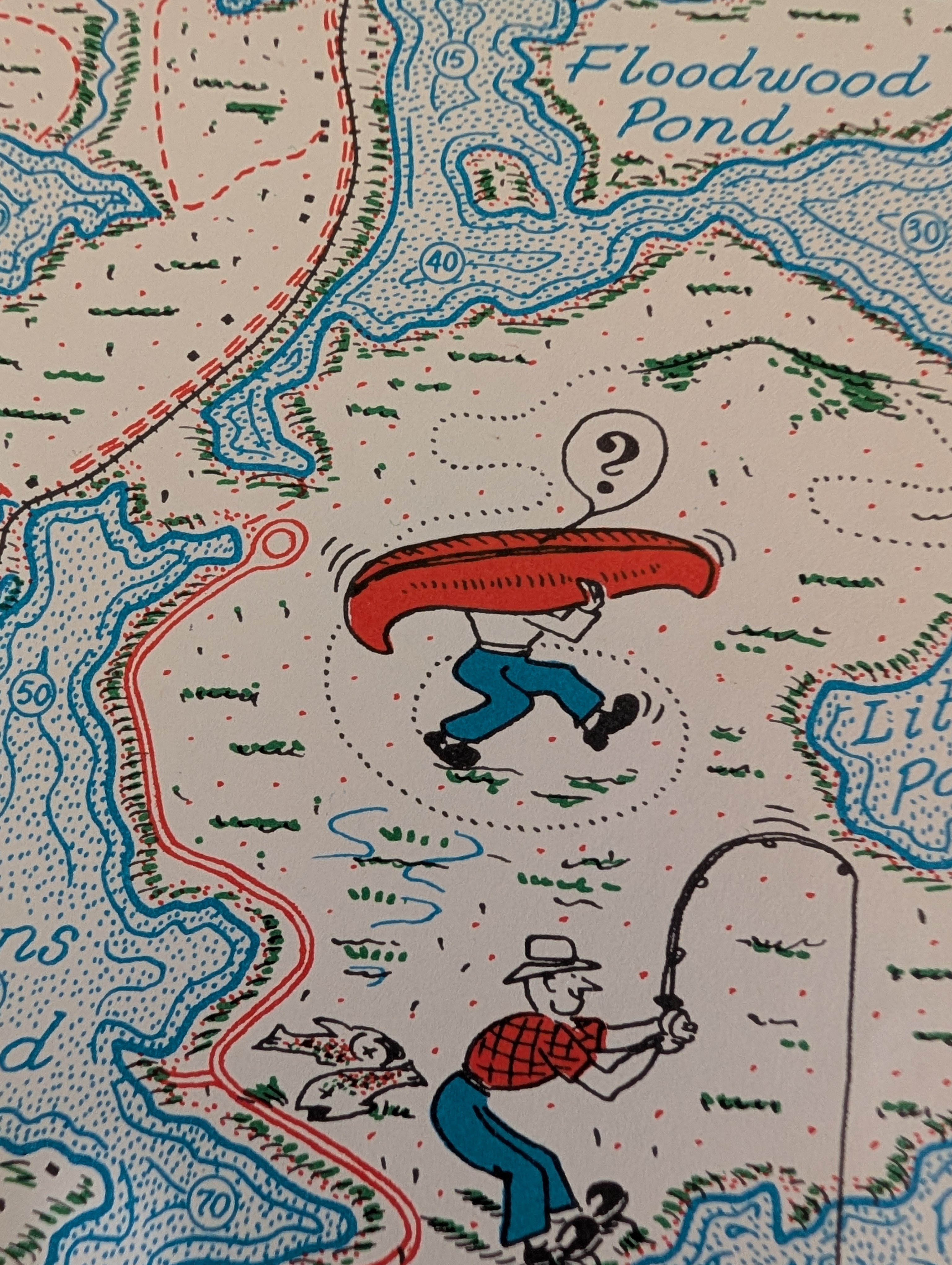
My mother recently handed me an old folded map that was, at one point, tucked away in my grandfather’s desk—a vintage, hand-illustrated tourist map of Saranac Lake.

Because I’m a compulsive archiver and can’t help myself, I set out to digitize it before it faded away in a drawer. But as soon as I started scanning, I stopped looking at the topography and had a thought.

Before GPS turned maps into sterile blue dots and turn-by-turn voices, cartography was allowed to have a sense of humor. Mid-century illustrators weren’t obsessing over millimeter-perfect precision. They focused on capturing what a place felt like, packing the woods and shores with tiny micro-dramas of people actually enjoying the Adirondacks.

Modern maps get you where you’re going, but they leave nothing to the imagination. They trade a little bit of utility for a lot of soul.


Diavola Book Cover Diavola Book Cover

Diavola

Diavola

​The ghost wasn’t the problem here—the protagonist was.

​While the premise of a malevolent presence haunting an isolated Italian villa sounds great on paper, being trapped in Anna’s head for hundreds of pages was pure reader exhaustion. Instead of compelling tension, you get an endless internal monologue of self-righteous martyrdom. Anna spends the entire book convinced she’s the lone, flawless pillar holding the universe together while looking down on literally everyone—her family, coworkers, ex, you name it.

​When a haunted house story has you actively rooting for the malevolent entity to take out the main character just to give everyone some peace, the book has lost the plot. A solid setting wasted on one of the most grating, insufferable characters I’ve read in a long time.

​Skip the trip to Villa Vascello.

Counting The Cost Cover Counting The Cost Cover

Counting The Cost

Counting The Cost

Counting the Cost by Jill Duggar: pure roses and thorns. She tells the hard truths about her family and religious upbringing without resorting to cheap villainization. Hurt deeply by the system, yet still holding onto her faith. A surprisingly graceful, thought-provoking read.

There Is No Antimemetics Division Cover There Is No Antimemetics Division
There Is No Antimemetics Division

There Is No Antimemetics Division

There Is No Antimemetics Division is inventive sci-fi that delivers on its wild premise. Marion avoids the obnoxious “girl boss” trap and feels genuinely competent. The ending gets a bit dizzying, but lands well. Unique, brain-bending read.

The Legend in Bronze: Timothy Murphy Cover The Legend in Bronze: Timothy Murphy

The Legend in Bronze: Who Was Timothy Murphy?

The Legend in Bronze: Who Was Timothy Murphy?

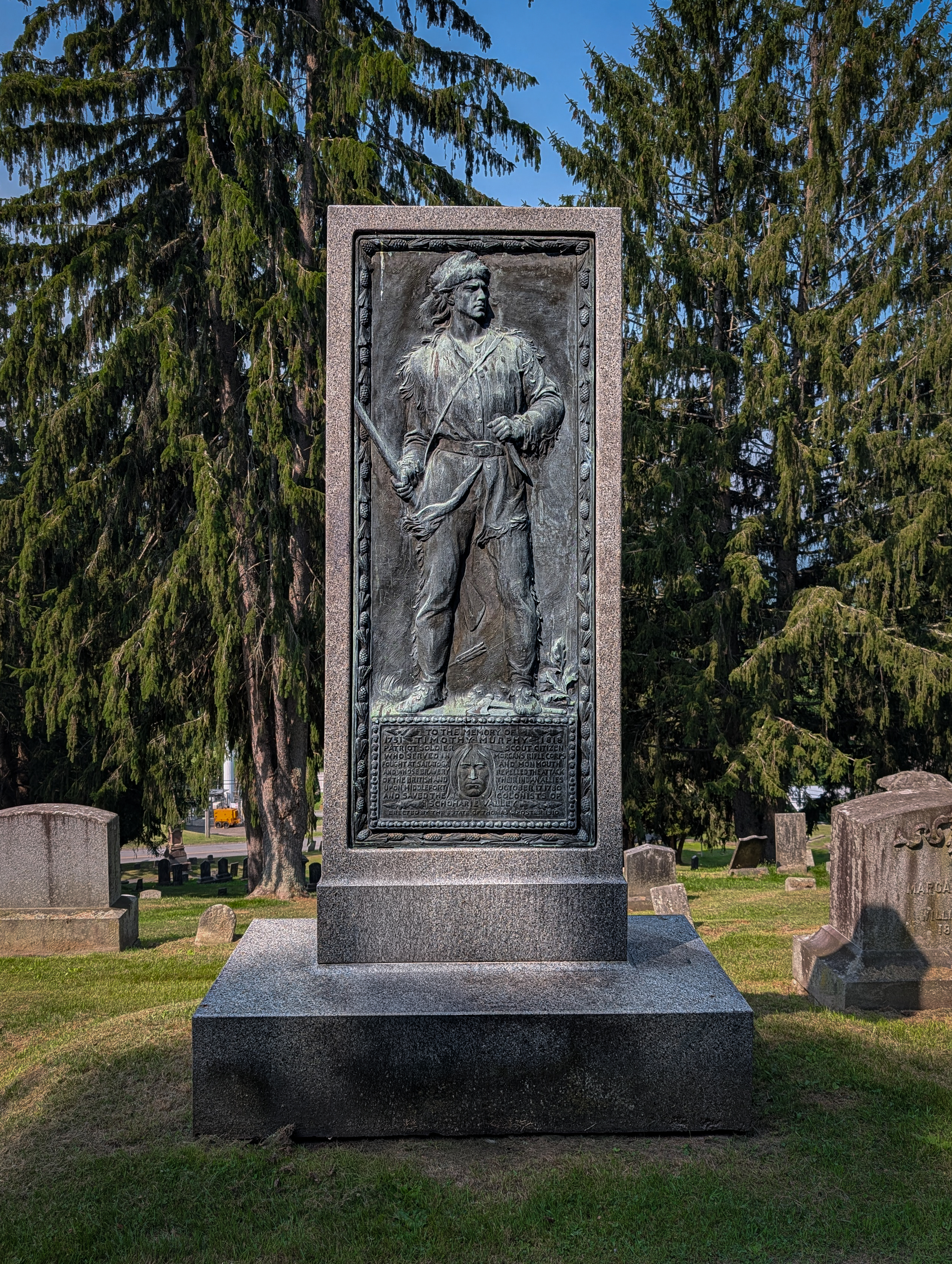
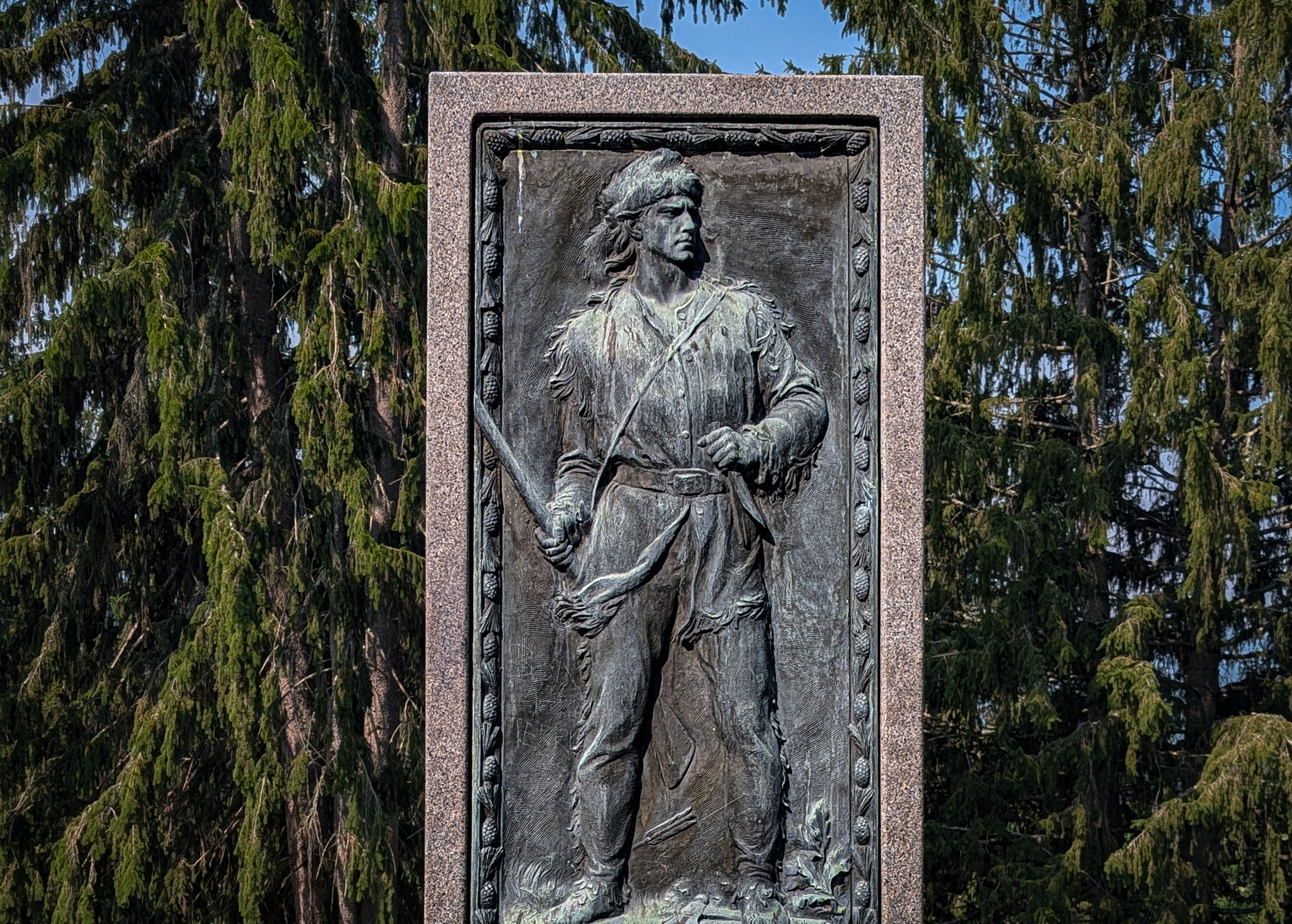
Timothy Murphy (1751–1818) was an Irish-American scout and elite marksman in Colonel Daniel Morgan’s Provisional Rifle Corps, a unit feared for its guerrilla tactics and deadly accuracy. His actions at the Second Battle of Saratoga and Middle Fort altered the course of the American Revolution.

Turning the Tide at Saratoga During the Second Battle of Saratoga in October 1777, British Brigadier General Simon Fraser was successfully rallying his troops and threatening to break American lines. General Benedict Arnold ordered Morgan to neutralize him. Climbing into a tree roughly 300 yards away with a double-barreled rifle, Murphy fired three shots, mortally wounding Fraser.

Fraser’s death destroyed British morale, forced General John Burgoyne to surrender days later, and secured essential French support for the American cause.

Defiance at Middle Fort In October 1780, Loyalist forces and allied Native Americans under Sir John Johnson and Joseph Brant attacked the Schoharie Valley, surrounding Middle Fort in present-day Middleburgh. When the fort’s commander attempted to surrender under a white flag, Murphy defied him. He fired warning shots at every British envoy approaching under the truce flag, forcing them back.

Murphy’s actions shamed the garrison into fighting. Without heavy artillery to breach the fort, the raiders eventually withdrew, saving the settlement.

After the war, Murphy farmed and raised his family in Schoharie County until his death. His monument in Middleburgh Cemetery stands as a tribute to the rifleman whose defiance helped shape an independent nation.

Hector Falls Hector Falls

Hector Falls

Hector Falls

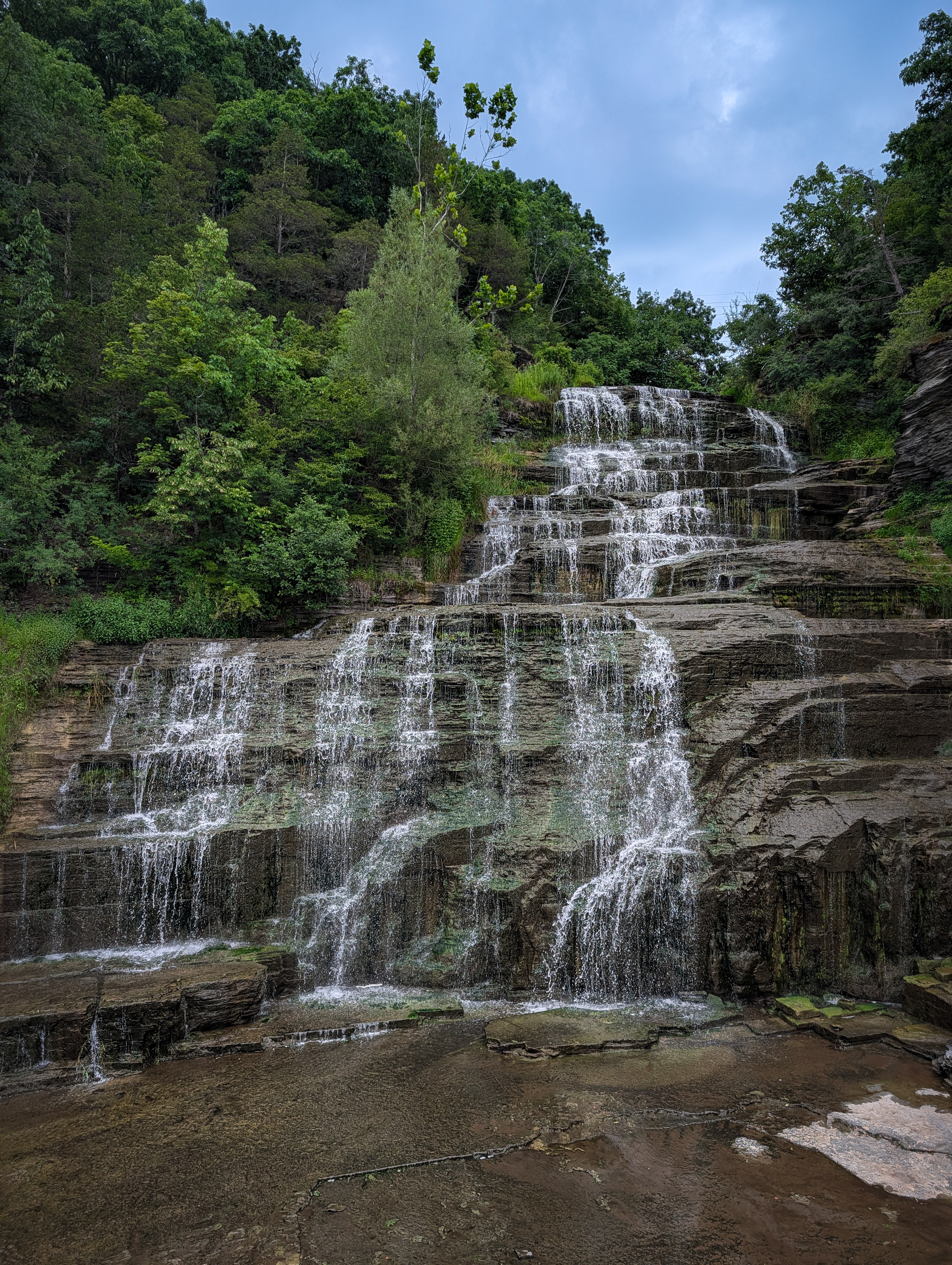
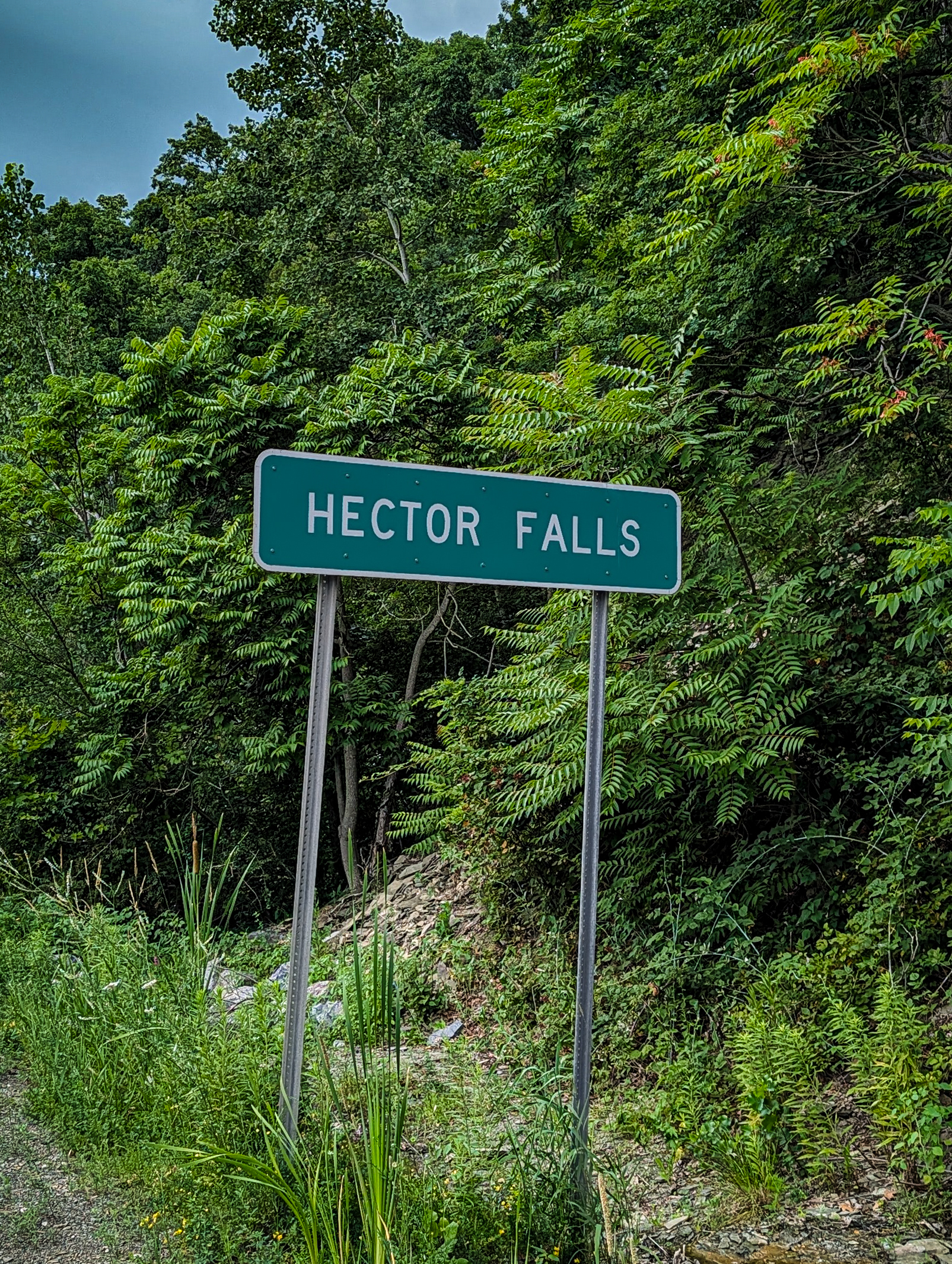
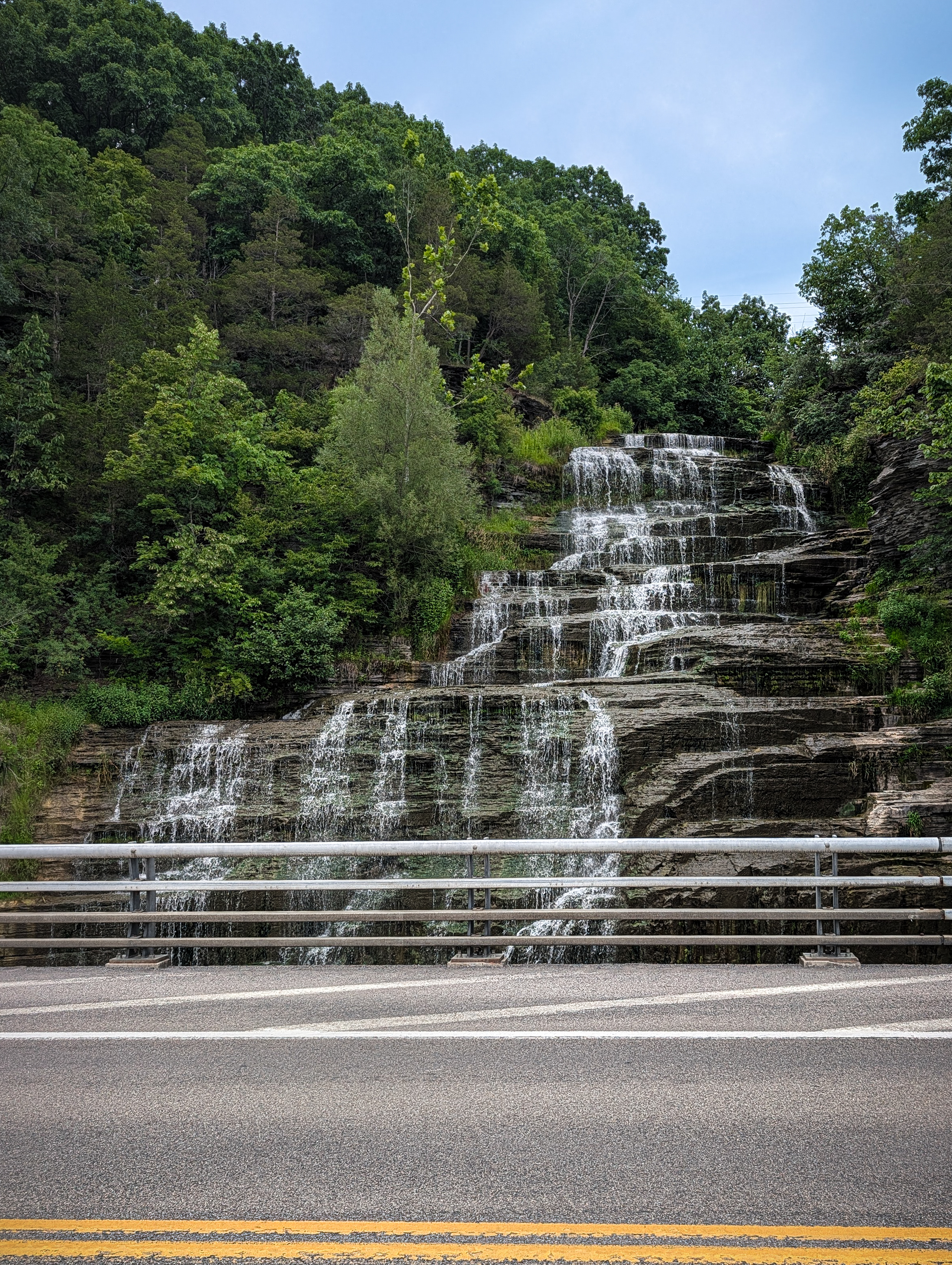
It’s one of the classic trade-offs of summer waterfall hunting —warm weather makes exploring easy, but a dry stretch can quickly reduce even prominent falls to a trickle. 

Even with the heat wave cutting down the flow, Hector Falls delivered. Tumbling 165 feet over stepped rock shelves just off Route 414, its tiered shale face made delicate work of the remaining water. It might not have been at maximum throttle, but it was an effortless roadside stop and a great waterfall to finally check off the collection.


​The Ghost Trestle of Glen Creek ​The Ghost Trestle of Glen Creek

The Ghost Trestle of Glen Creek
The Ghost Trestle of Glen Creek

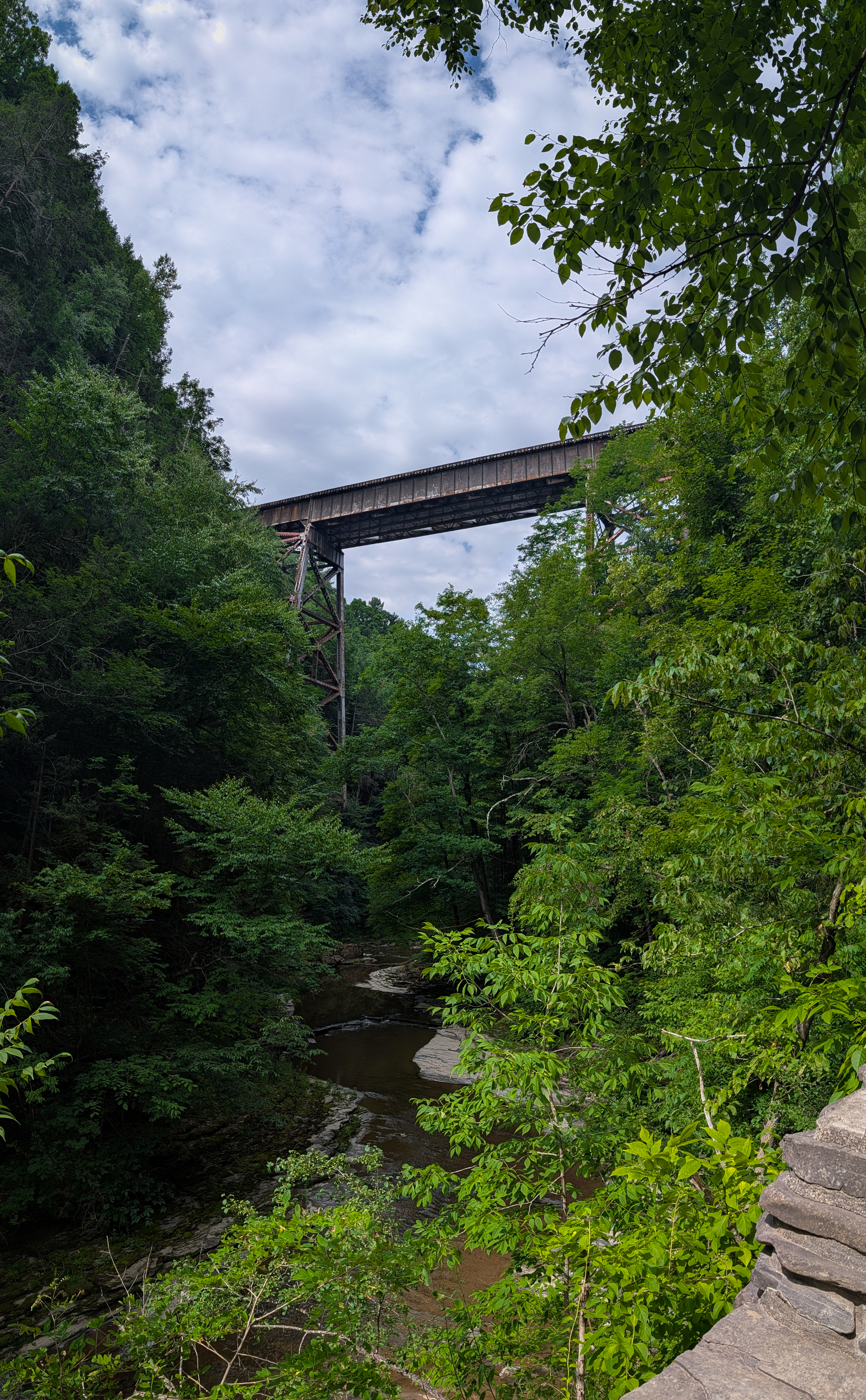
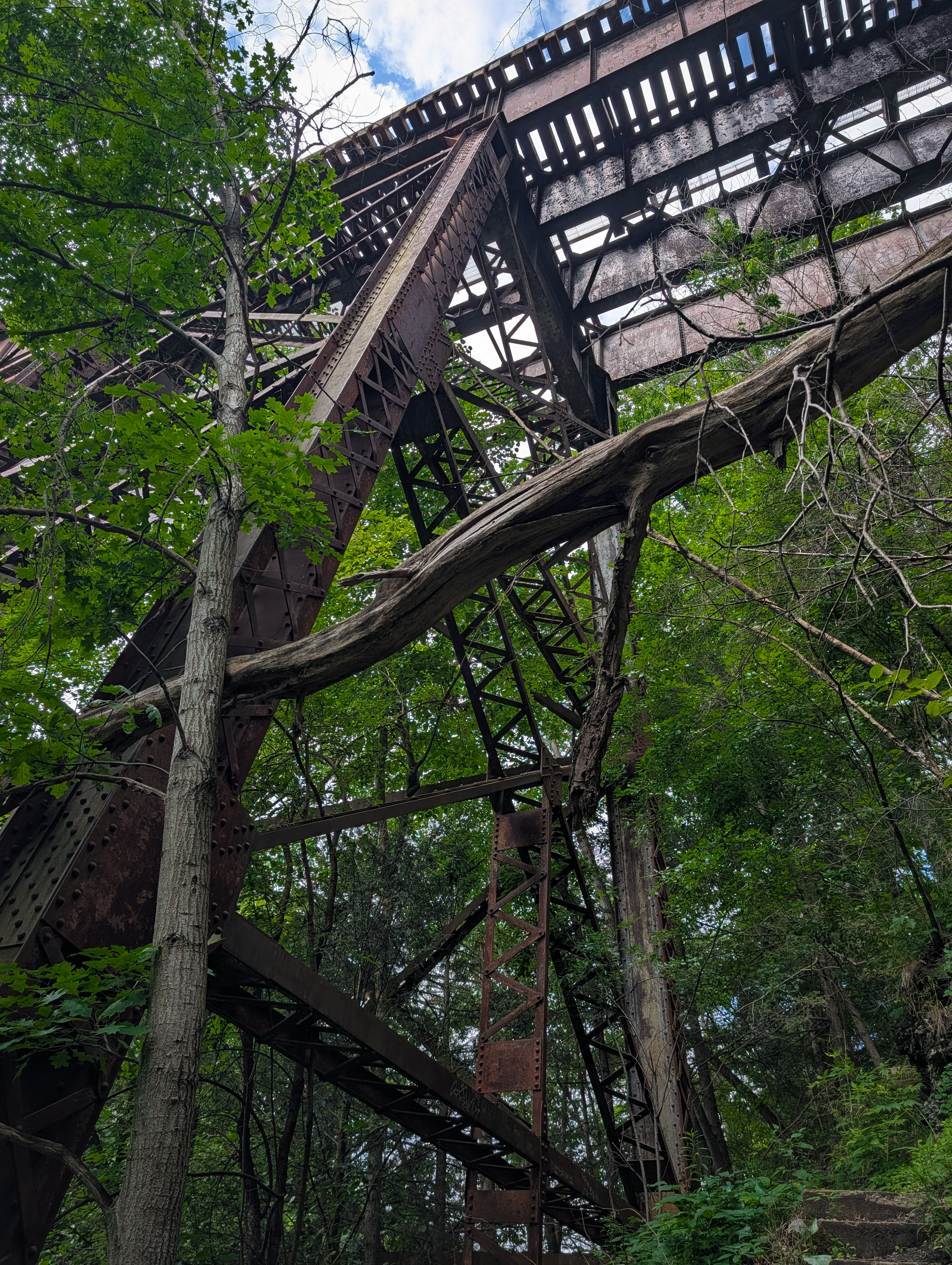
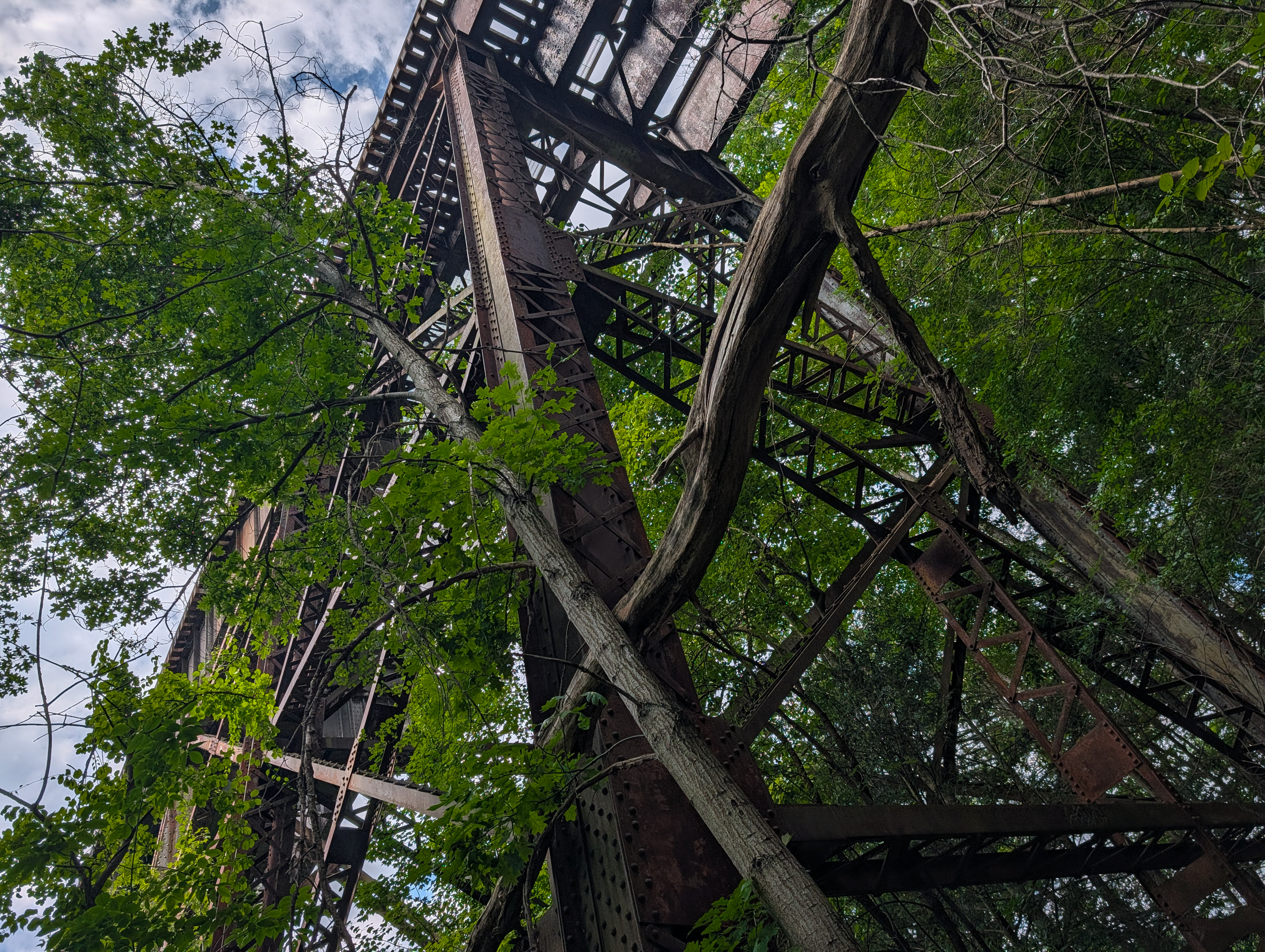
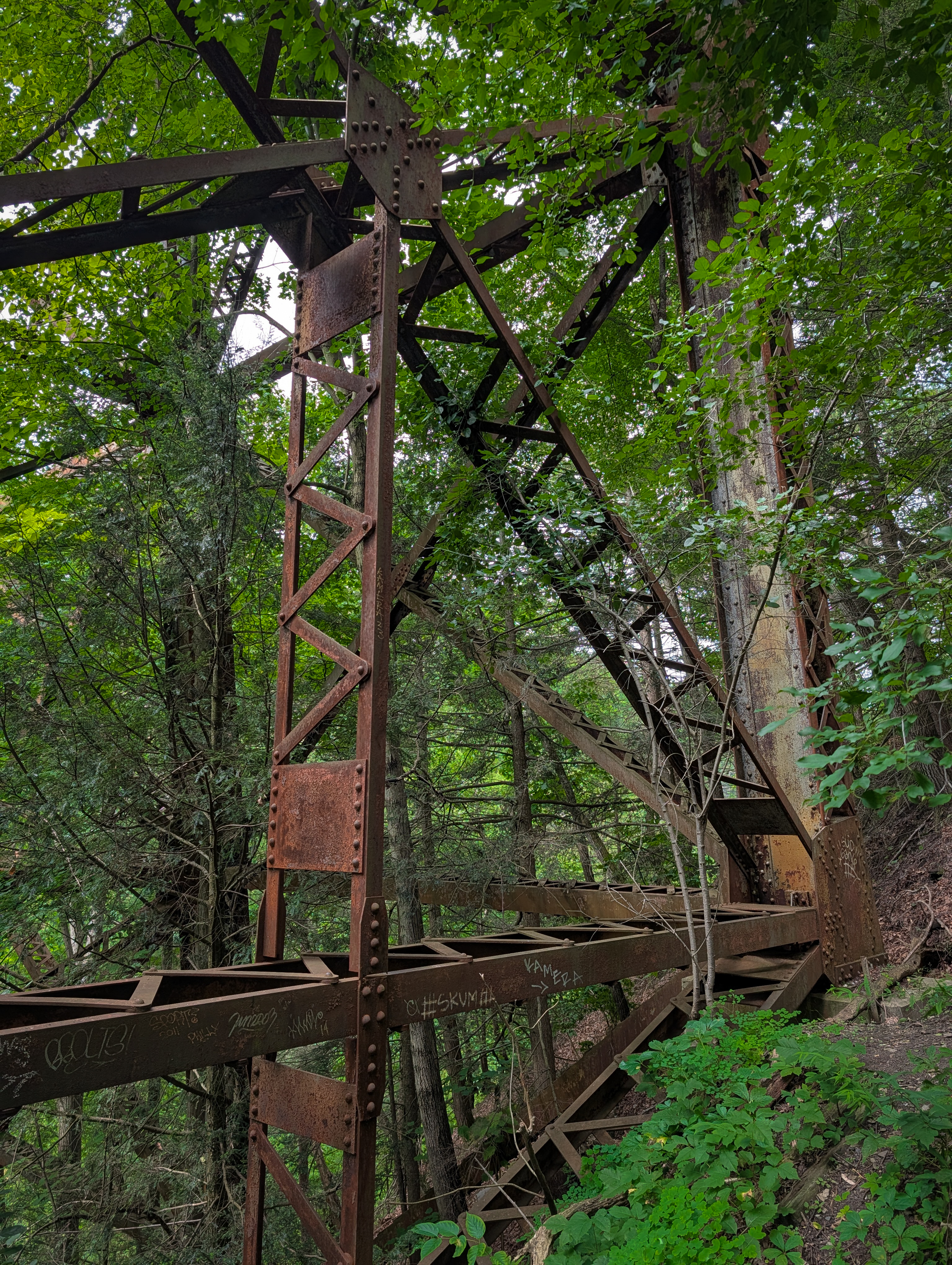
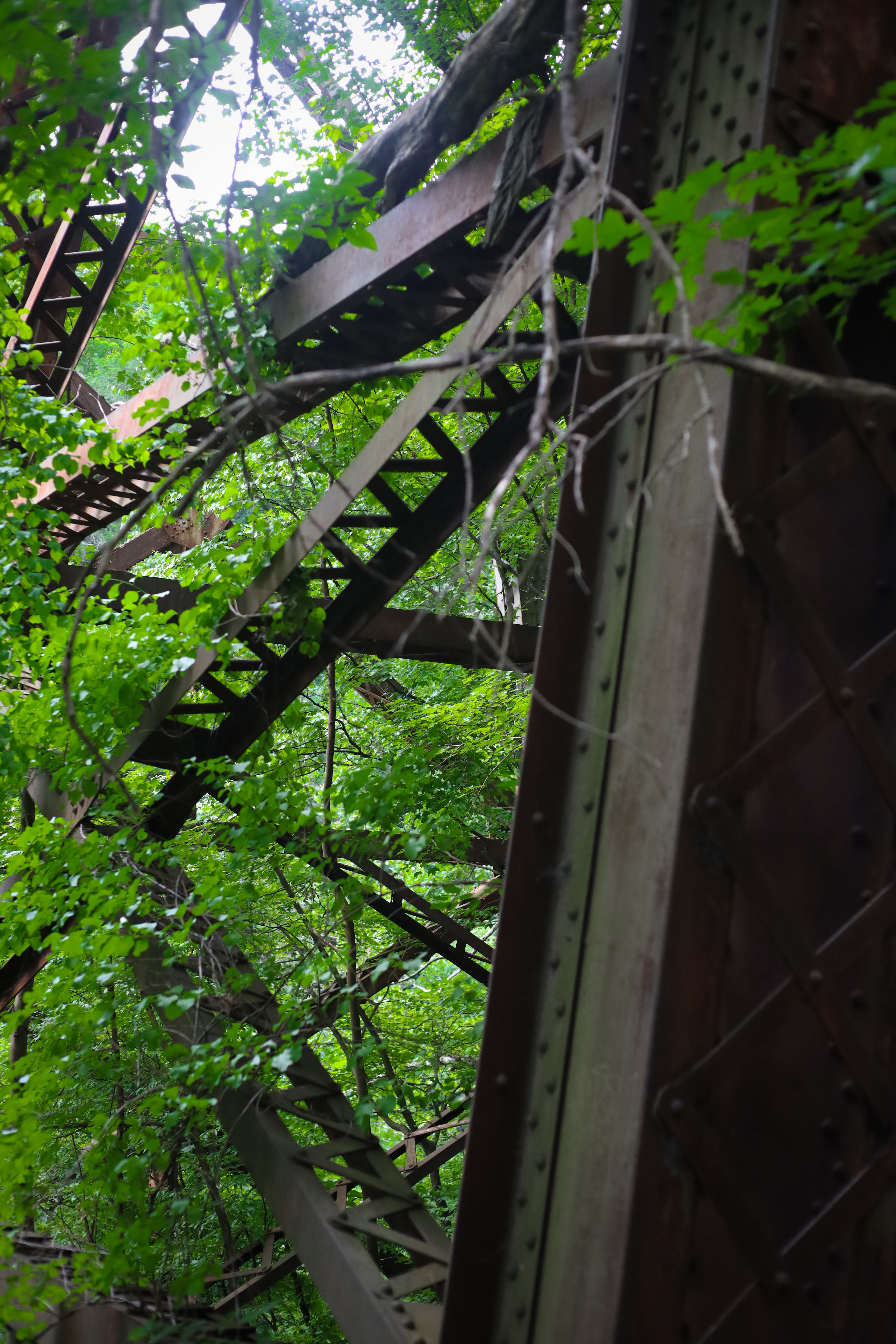
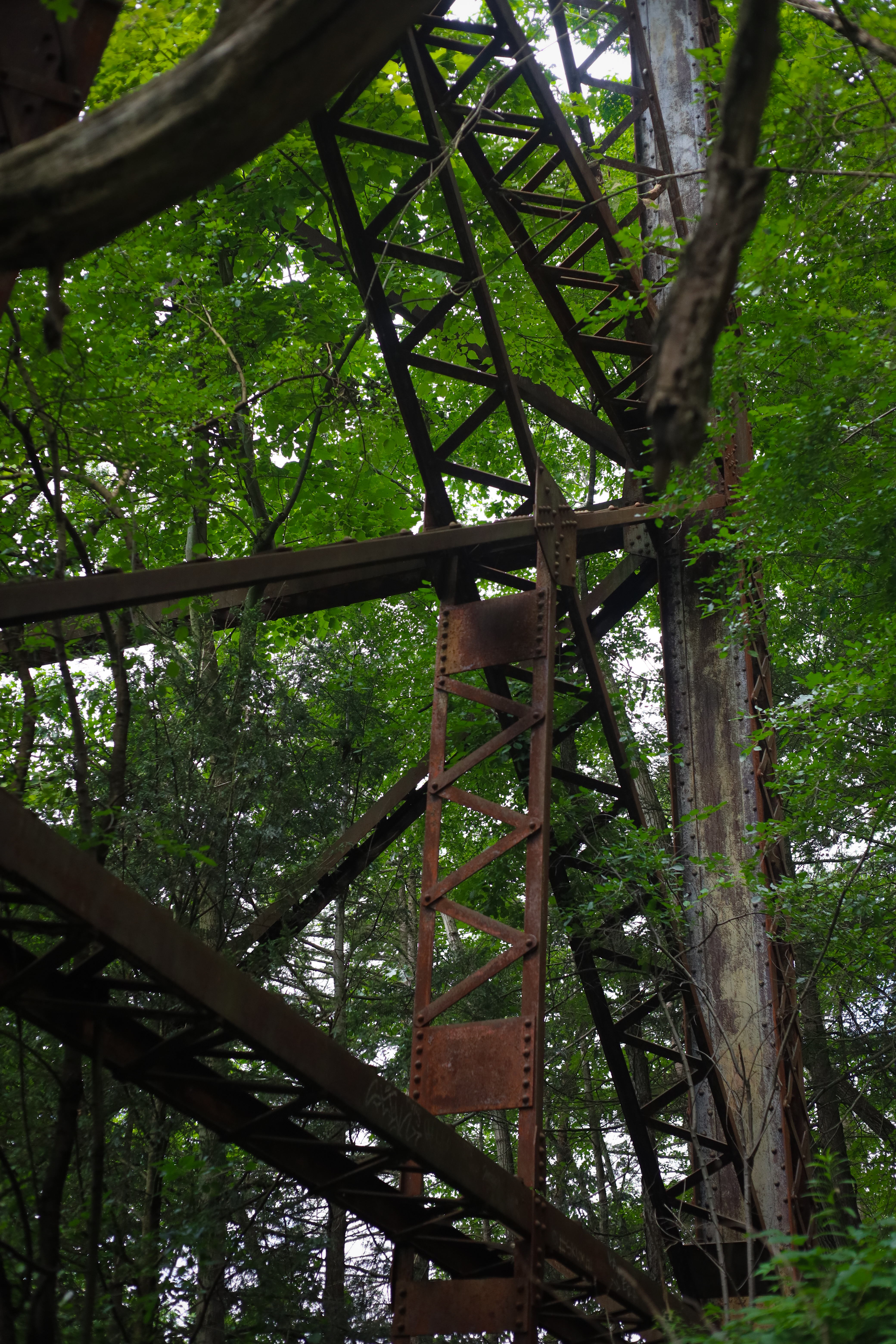
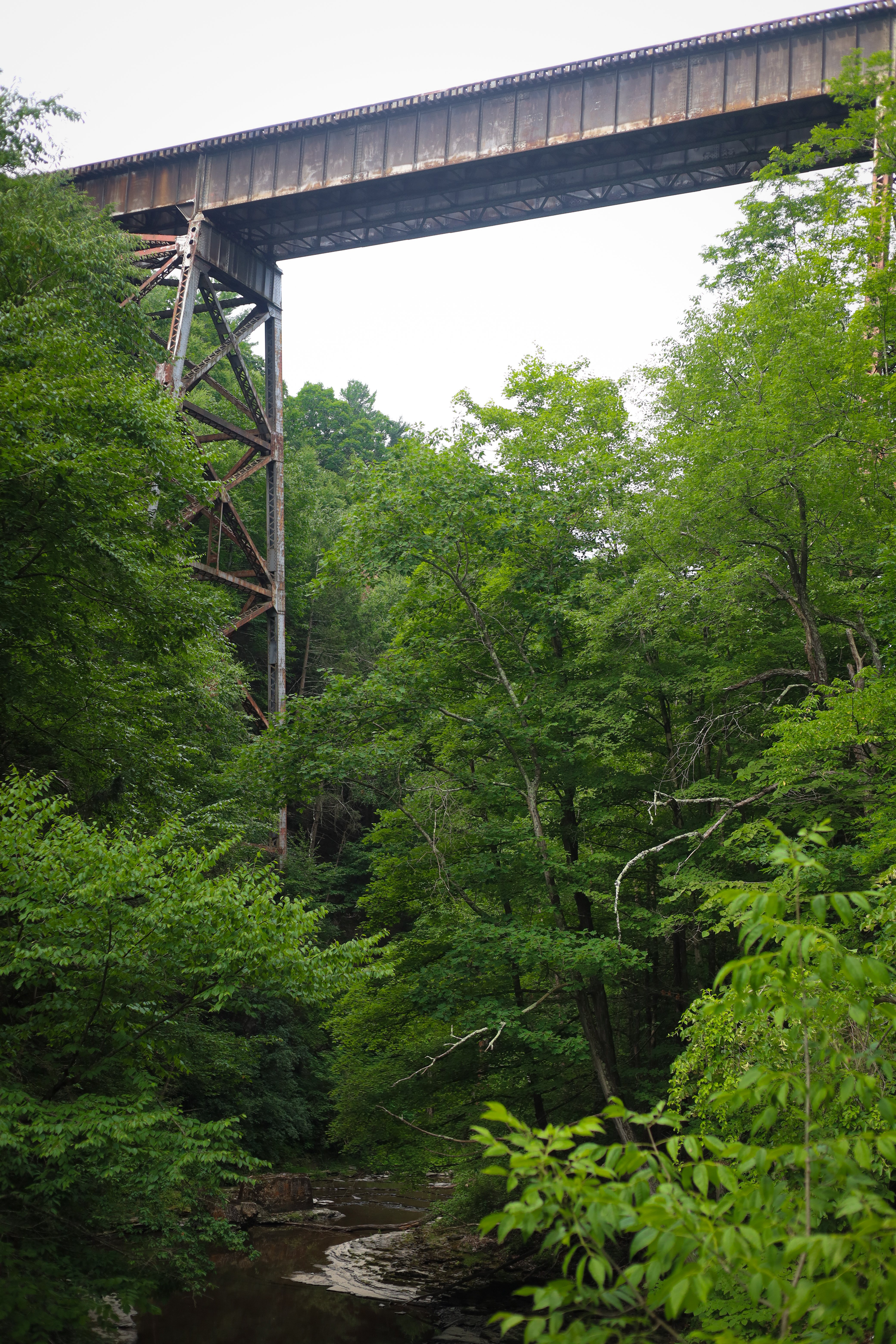
Deep in the Glen Creek the skeletal timber of The Ghost Trestle of Glen Creek still spans the empty air.

Towering roughly 150 feet above the carved shale cliffs and cascading waterfalls of Watkins Glen State Park, the massive railroad trestle spanning Glen Creek is one of the most striking industrial landmarks in New York’s Finger Lakes region.

The high span was originally constructed in the late 1870s for the Syracuse, Geneva and Corning Railway (later part of General George Magee’s Fall Brook Railway, and subsequently absorbed into the New York Central Railroad system). Engineered to haul semi-bituminous coal from Pennsylvania north toward Geneva and the Erie Canal, the line required an audacious crossing high over the gorge. At the time of its construction, it ranked among the highest railroad spans in the state.

As rail travel flourished in the late 19th and early 20th centuries, the route transformed into a vital artery not just for freight, but for scenic tourism. Excursion trains brought thousands of visitors from across the Northeast directly to the rim of Watkins Glen, allowing passengers to gaze straight down into the shadowy chasm below.

The trestle survived major regional disasters, including the catastrophic flood of July 1935, which unleashed devastating torrents through Glen Creek and destroyed most of the glen’s early footbridges, wooden stairs, and riverside infrastructure.
As regional rail traffic shifted and lines consolidated through Penn Central and Conrail in the latter half of the 20th century, regular passenger service faded into history.

For hikers following the Gorge Trail or South Rim Trail today, looking up from the misty canyon floor reveals a stark contrast: the geometric lines of late-19th-century steel suspended above 12,000 years of post-glacial water and stone.