
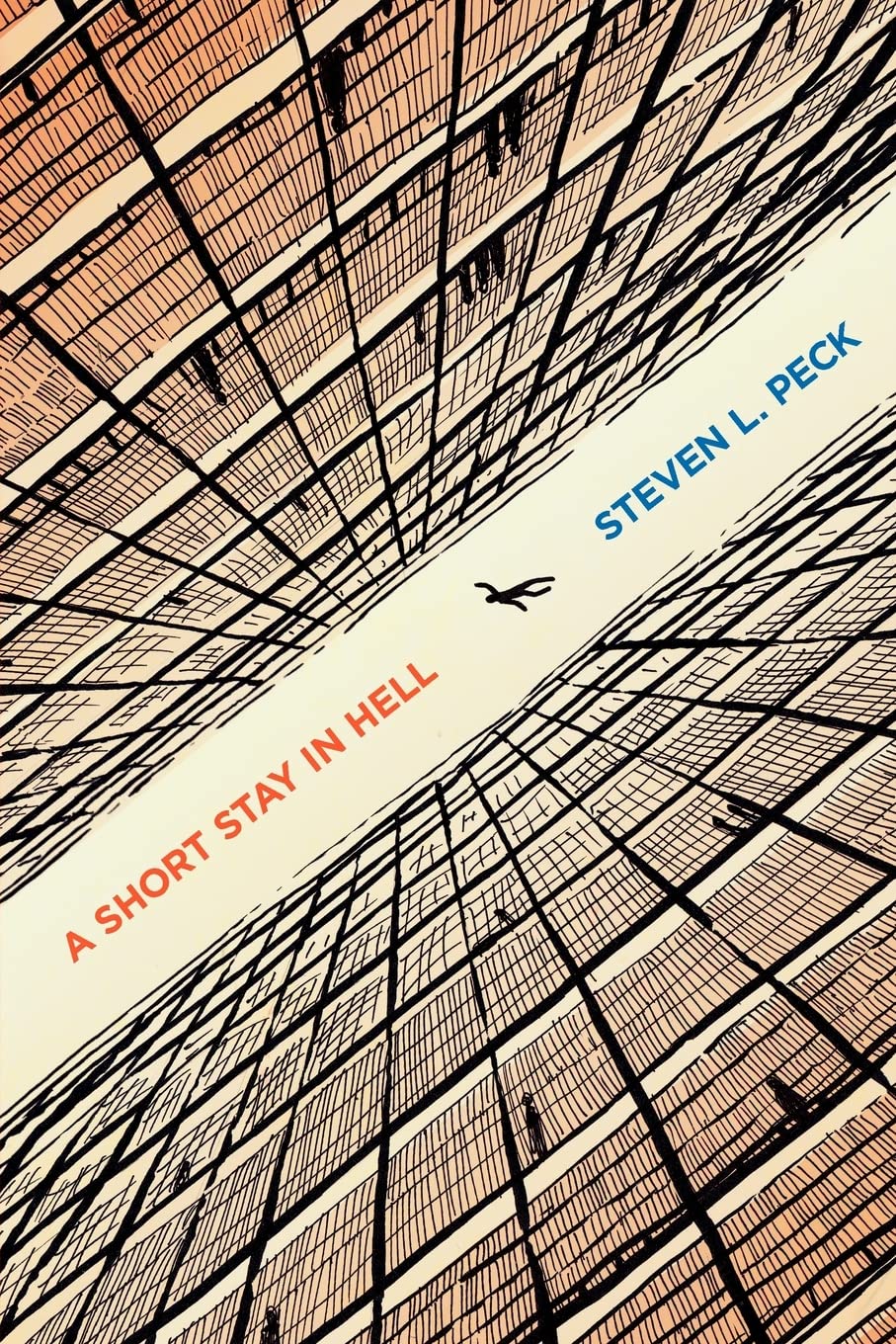
A Short Stay in Hell is a deceptively simple, deeply unsettling novella that lingers long after you’ve finished it. Drawing from a unique blend of existential horror and speculative fiction, the story imagines a version of Hell that is quiet, repetitive, and almost maddeningly mundane—more Kafka than Dante.
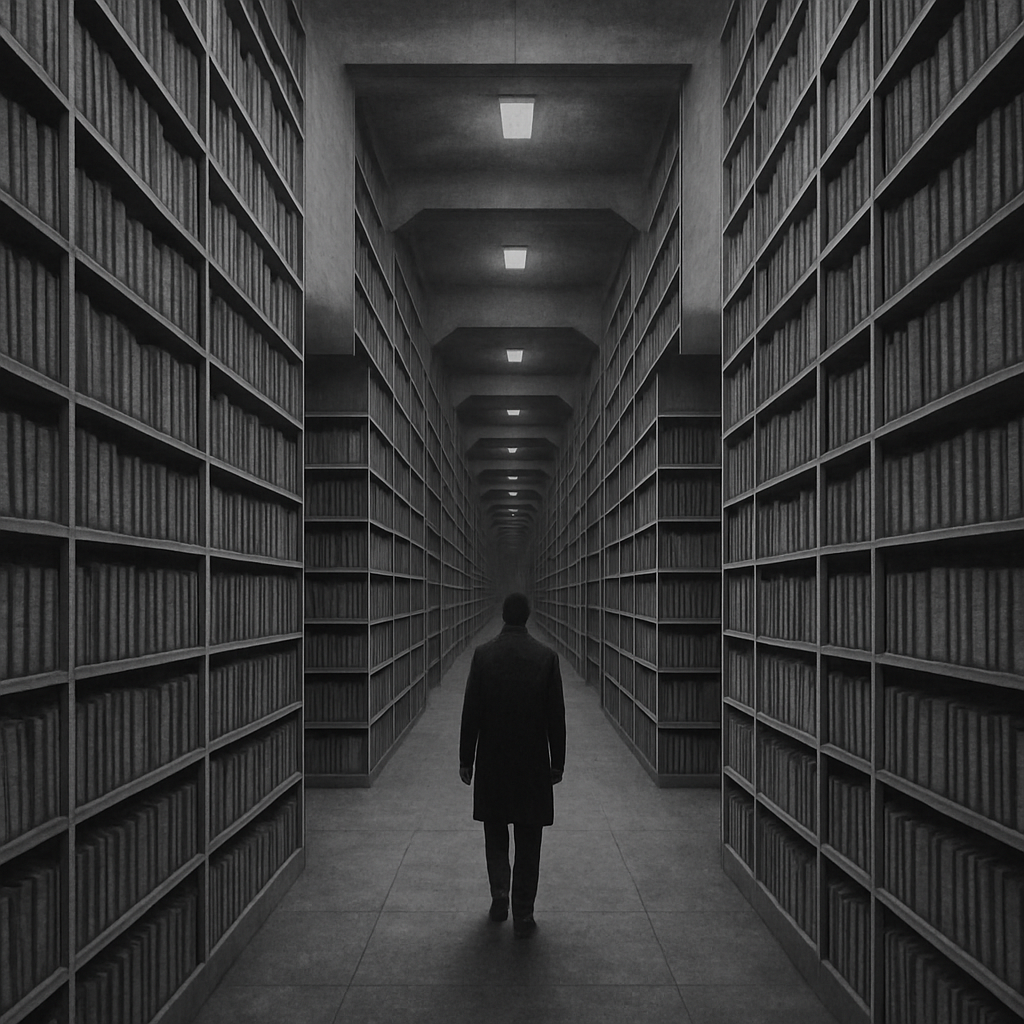
The book does a masterful job of evoking despair not through gore or torment, but through endless sameness, pointlessness, and the slow erosion of meaning. For fans of liminal spaces—the eerie in-between places that feel both familiar and wrong—this story taps directly into that unsettling aesthetic. The hellscape here is a vast library, endless in all directions, filled with meaningless books, where the protagonist must find the one that tells his life story in order to escape. It’s a premise that is both simple and brutal.
What makes the book stand out is its restraint. Peck wisely avoids padding the narrative with unnecessary subplots. Instead, he allows the sheer weight of repetition, isolation, and hopelessness to settle in naturally. The result is a short, impactful story that respects your time while challenging your perspective.
While I’m not looking to draw theological conclusions from the book, I found it surprisingly rich in philosophical implications. It invites reflection on what gives life meaning—whether it’s purpose, connection, or simply the hope of change.
Clever, thought-provoking, and haunting, A Short Stay in Hell is perfect for readers who enjoy the uncanny chill of liminal fiction, the thought experiments of Borges, or the existential dread of Sartre’s No Exit. Highly recommended.
thedorianroark